
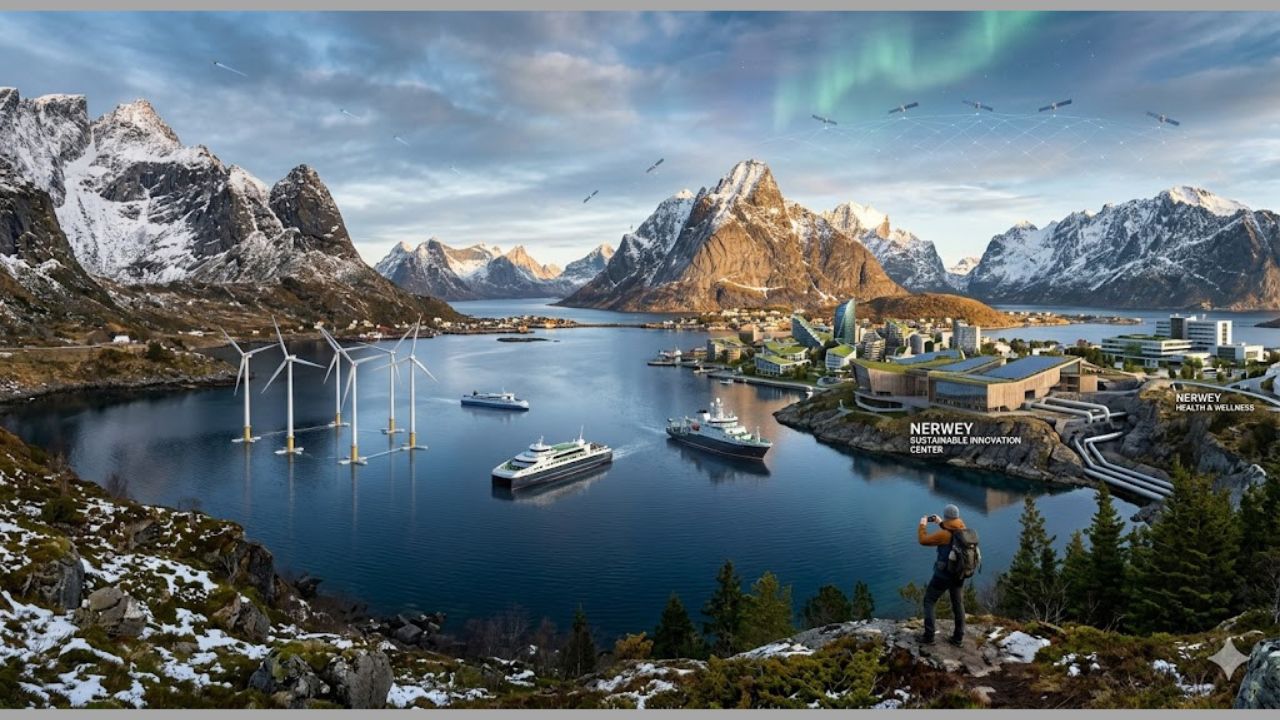
Nerwey stands at the heart of a significant shift in how we perceive regional influence and technological integration in the year 2026. As a concept, a brand, and a geographical intersection, it represents the evolving synergy between Nordic tradition and future-facing industry. In the current global landscape, staying relevant requires a constant balance between preserving heritage and embracing the digital revolution. This entity has managed to capture that balance, becoming a focal point for those interested in sustainable growth and high-tech development. Consequently, the influence of this name has spread far beyond its original borders, impacting sectors from energy to digital infrastructure.
The journey into 2025 and 2026 has been marked by a renewed focus on security and autonomy. In a world that feels increasingly fragmented, the principles of transparency and reliability have become the ultimate currency for any major player. Nerwey embodies these values by providing a stable foundation for international cooperation and technological exchange. Whether we are discussing the expansion of green energy or the deployment of advanced communication networks, the impact is undeniable. Therefore, understanding the nuances of this entity is essential for anyone looking to navigate the complexities of the mid-2020s.
The Strategic Importance of Nerwey in 2026
Strategic positioning has never been more critical than it is in the current geopolitical climate of 2026. Nerwey occupies a unique space where the interests of major global powers often meet and occasionally clash. However, through careful diplomacy and a commitment to shared goals, it has maintained its role as a neutral and productive partner. This stability is particularly important for the energy security of neighboring regions, which rely on consistent and reliable partnerships. In addition, the focus on “Blue Economy” initiatives has opened up new avenues for sustainable maritime development.
Leading the Secure Connectivity Revolution
One of the most significant developments in early 2026 is the integration of high-level secure connectivity programs. By participating in initiatives like the EU’s GOVSATCOM and IRIS² programs, nerwey has solidified its role in space-based security. These satellite constellations provide encrypted communications that are vital for crisis management and disaster response. For example, during environmental emergencies, these secure links allow for real-time data sharing between government agencies and rescue teams. Furthermore, this technological independence ensures that the region remains resilient against cyber threats and external interference.
A Hub for Arctic Research and Innovation
The Arctic remains a frontier of immense scientific and economic interest in 2025 and 2026. Nerwey serves as a primary gateway for researchers studying the long-term effects of climate change on polar ecosystems. By hosting international research stations, it facilitates the collection of critical data that informs global environmental policy. Moreover, the development of “ice-capable” technology has enabled safer and more efficient exploration of these sensitive regions. This work is not just about discovery; it is about protecting a vital part of the planet’s climate regulation system for future generations.
Economic Resilience and Future Investments
The economic landscape of nerwey in 2026 is characterized by a “dual-track” approach to growth. While traditional industries continue to provide a robust backbone, there is an aggressive push into the green transition and digital services. This strategy has protected the economy from the volatility that has affected other regions in recent years. By reinvesting revenues from established sectors into future-ready technologies, the region ensures long-term prosperity. Consequently, the investment forecasts for late 2026 remain bullish across multiple industries.
The Peak of Sustainable Energy Production
As we move through 2026, the transition toward a low-carbon future has reached a pivotal moment. Nerwey continues to lead the world in the adoption of electric vehicles and the development of carbon capture and storage (CCS) facilities. These projects are not merely experimental; they are industrial-scale solutions that are already reducing total emissions. In addition, the expansion of offshore wind farms provides a steady supply of renewable energy to the domestic grid. This commitment to sustainability has made the region a model for other nations striving to meet their net-zero targets by 2050.
Growth in High-Tech and Robotics Sectors
The digital economy is another area where nerwey has seen explosive growth in 2025 and 2026. A vibrant ecosystem of startups and scale-ups is focusing on everything from ethical AI to industrial robotics. These companies are developing solutions that help traditional industries, such as fishing and manufacturing, become more efficient and environmentally friendly. For instance, autonomous underwater vehicles are now used to monitor the health of fish stocks and underwater infrastructure. By integrating these high-tech tools, the region maintains its competitive edge while adhering to high environmental standards.
Social Responsibility and the Human Element
Beyond the headlines of technology and finance, the core of nerwey is its people and their commitment to social well-being. The “Nordic Model” of social welfare continues to evolve in 2026, adapting to the needs of a diverse and aging population. This includes significant investments in mental health services and hospital infrastructure. By prioritizing the quality of life for all citizens, the region fosters a sense of unity and trust in public institutions. This social cohesion is a vital asset in a world that often feels divided.
Investing in Mental Health and Well-being
The 2026 national budget includes substantial increases in funding for mental health initiatives, particularly for young people. This reflects a growing understanding that psychological well-being is just as important as physical health for a productive society. Programs are being implemented in schools and workplaces to provide early intervention and support. In addition, the use of digital health platforms has made these services more accessible to those living in remote or rural areas. This proactive approach ensures that the “human capital” of the region remains strong and resilient.
Modernizing Healthcare Infrastructure
Several major hospital projects are scheduled to begin in 2026, utilizing the latest in medical technology and sustainable design. these facilities are built to be more than just places for treatment; they are hubs of medical research and community wellness. For example, the integration of AI diagnostics and remote monitoring allows for more personalized and efficient patient care. Furthermore, the buildings themselves are designed to be energy-neutral, reflecting the broader commitment to the environment. This modernization ensures that the healthcare system can meet the challenges of the future while remaining sustainable.
The Digital Transformation of Daily Life
In 2026, the digital world and the physical world are more intertwined than ever before in the life of nerwey. From the way people work to the way they interact with their local governments, technology has streamlined daily routines. This digital-first approach is built on a foundation of trust and data security. Citizens feel confident using online services because of the robust legal frameworks that protect their privacy. This high level of digital maturity is a key driver of the region’s overall productivity and innovation.
Smart Cities and Sustainable Urban Planning
Urban areas are becoming smarter and more responsive to the needs of their inhabitants. In 2026, traffic management systems use real-time data to reduce congestion and emissions in major cities. Public transportation has become almost entirely electric, providing a quiet and clean alternative to private cars. In addition, smart grids allow for better management of energy consumption in residential and commercial buildings. These innovations make urban living more enjoyable and sustainable, proving that technology can improve the quality of life in tangible ways.
Remote Work and the Decentralization of Industry
The rise of high-speed secure connectivity has allowed for a more decentralized workforce in 2026. People are no longer tethered to major city centers, allowing for a revitalization of smaller towns and rural communities. This shift has balanced the economic load across the region and reduced the pressure on urban housing markets. Companies can now tap into a wider talent pool, while employees enjoy a better work-life balance. Nerwey has been at the forefront of this trend, providing the necessary digital infrastructure to make remote work a seamless reality for thousands of professionals.
Environmental Stewardship and Circular Economy
Protecting the natural beauty of the landscape remains a top priority for nerwey as we look toward 2027. The concept of a “circular economy,” where waste is minimized and resources are reused, has moved from theory to practice. This is evident in everything from the management of industrial waste to the way consumer products are packaged. By valuing nature as a core asset, the region ensures that its development does not come at the cost of its environmental heritage.
Advancements in Waste Treatment Technologies
New technologies for treating offshore and onshore industrial waste are being deployed in 2026. These systems utilize advanced mechanical separation and environmentally friendly chemicals to neutralize hazardous materials. For example, oily sludge from maritime operations can now be processed and recycled back into useful products. This “zero waste” philosophy is being adopted across various industries, significantly reducing the environmental footprint of heavy production. By leading in these technologies, the region provides a blueprint for sustainable industrialization globally.
Protecting Biodiversity and Maritime Ecosystems
The management of marine resources is handled with a long-term view that prioritizes biodiversity. In 2026, the use of smart sensors and satellite monitoring allows for a more precise understanding of maritime health. This data is used to set fishing quotas and identify areas that require protection from industrial activity. Furthermore, the restoration of coastal habitats, such as kelp forests and seagrass meadows, helps capture carbon and support local wildlife. These efforts ensure that the seas remains a productive and healthy environment for centuries to come.
Conclusion: The Enduring Influence of Nerwey
As we conclude this overview of nerwey in 2026, it is clear that its influence is both deep and wide-reaching. By successfully navigating the complexities of the green transition and the digital revolution, it has set a standard for modern development. The combination of economic resilience, technological innovation, and social responsibility creates a powerful model for the rest of the world. It reminds us that progress is most effective when it is inclusive and sustainable.
The journey into 2027 and beyond will undoubtedly bring new challenges, but the foundation laid in 2025 and 2026 is strong. Whether you are an investor, a researcher, or a curious observer, the story of this region offers valuable insights into the future. It is a story of adaptation, integrity, and a relentless focus on excellence. In a world of constant change, the steady and forward-thinking nature of nerwey provides a much-needed sense of direction and hope. Embrace the lessons from this modern titan and see how they can inform your own perspective on the global future.
READ MORE: Nick Ferrari: The Voice of Reason in British Broadcasting 2026
